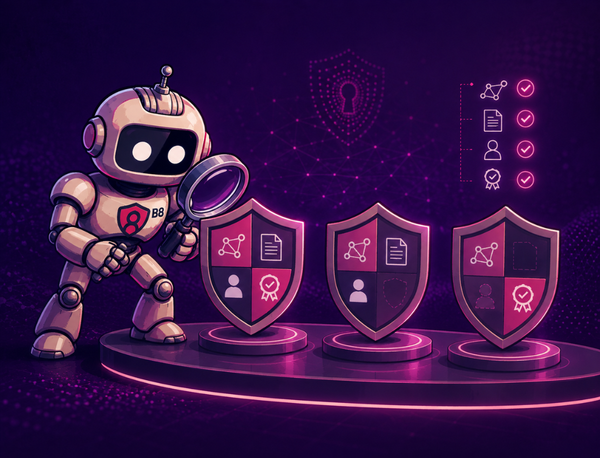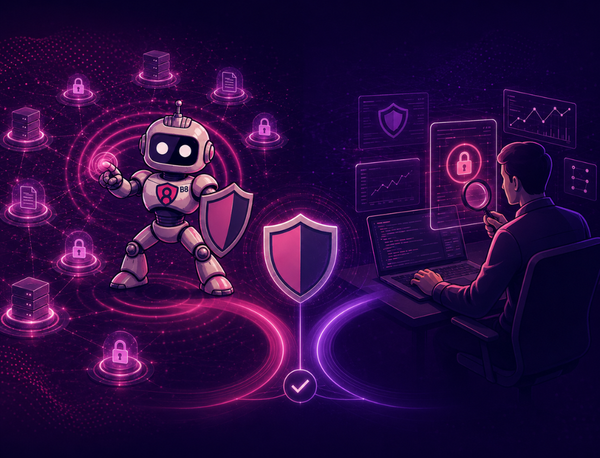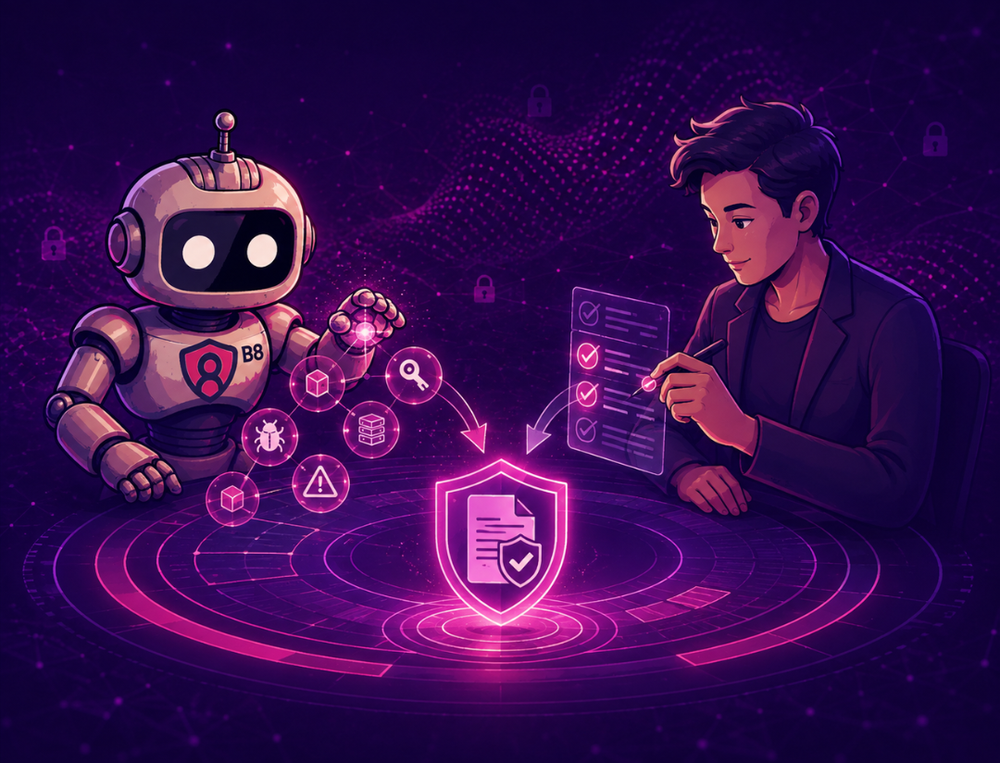
Yes. Penetration testing that combines AI-driven analysis with human validation exists, and it's quickly becoming the benchmark rather than the exception. Rather than choosing between fast automated scanning and a slower, fully manual process, a blended model uses AI to handle discovery and coverage, then has senior human testers validate, exploit and contextualise everything the AI surfaces before it reaches a report. Most security teams don't need more alerts, they need clearer decisions, and that's exactly what this combination is built to produce.
What's actually true
The hybrid model exists because the two approaches have complementary strengths. AI sweeps a large environment quickly, applying consistent checks against a constantly updated library of known vulnerability patterns. That speed and breadth would be wasted without a human reviewing the output, separating genuine risk from noise, and pushing further into anything that looks like it could be chained into something more serious.
Where humans still matter
In a genuinely blended engagement, human testers do three things AI cannot: confirm that a flagged issue is actually exploitable in your specific environment, not just theoretically possible; chain individually low-severity findings together into realistic attack paths; and apply business context, weighting findings by which systems matter most to your organisation, rather than treating every flagged issue as equally urgent.
What this means for the buyer
When evaluating providers who claim this combined model, ask exactly where the human steps in. A credible provider describes their workflow clearly: what's discovered by AI, what gets manually validated, and what a human tester adds beyond confirming the AI was right. If a provider can't answer that specifically, the 'human validation' claim is likely more marketing than process.
FAQ
What does 'AI-assisted, human-validated' actually mean in practice?
AI handles discovery and broad coverage across the environment; a human tester then validates each finding, attempts exploitation where appropriate, and assesses real business risk before anything reaches the report.
Is hybrid AI and human testing more expensive than purely manual testing?
Not necessarily, AI-assisted discovery can reduce time spent on repetitive groundwork, freeing tester hours for deeper validation and exploitation work within the same engagement window.
How do I verify a provider's human validation step is genuine?
Ask for a sample report and look for exploitation evidence and business-context framing, findings that go beyond a tool-generated severity list.
Does AI analysis reduce the overall cost of a penetration test?
It may improve efficiency, but value should be judged on quality, coverage and usefulness, not cost alone.
What to do next
Want to see this combination at work in a real report?
Request a sample reportSee exactly where AI ends and human validation begins.
Watch the demo videos