The scenario
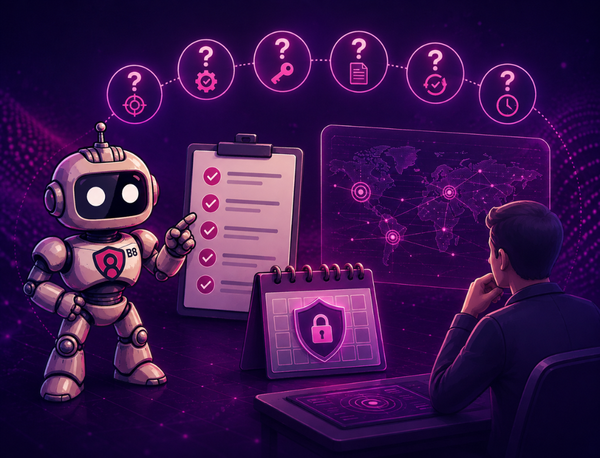
The report has landed. It's thorough, well written, and lists findings ranked by severity. And then, for a lot of organisations, very little happens for weeks, because the report answered 'what's wrong' without answering 'what do we actually do about it, in what order, and who's responsible.' Finding the vulnerability was never the finish line. The test itself doesn't reduce your risk, the fix does.
What this means for the business
An unaddressed finding isn't a static risk, it's a clock. The longer a critical vulnerability sits unresolved, the longer the window an attacker has to find it independently, and the more it compounds against other findings in ways the original report couldn't fully predict. Translated into business terms: every week of delay adds exposure to data loss, regulatory notification obligations and reputational damage disproportionate to the cost of the original fix.
How to prioritise
• Start with exploitability, not just severity score — a critical-rated finding that's genuinely difficult to exploit may be lower priority than a medium-rated one that's trivially reachable.
• Weight findings by what they actually expose — a vulnerability touching customer data or payment systems outranks one affecting an internal, low-value system, regardless of technical severity alone.
• Group related findings — several lower-severity issues that chain into a serious attack path should be treated as a single, higher-priority remediation effort, not addressed in isolation.
• Factor in compensating controls and remediation complexity — context changes urgency in both directions.
• Set realistic timeframes by severity tier — critical findings addressed within days, high within weeks, medium and low scheduled into the next planned development or maintenance cycle.
• Confirm fixes with a retest — a fix that looks complete on paper isn't confirmed until it's been independently verified.
Who needs to be involved
Remediation is rarely just a security task. IT operations and developers own the technical fix; cloud or infrastructure teams and application owners need visibility into anything touching their systems; vendors or MSPs need to be looped in directly where a finding sits in their environment, not yours alone; and leadership needs visibility into anything critical or high-severity, particularly where a fix requires budget, a change-freeze exception, or a delay to a planned release. Where compliance obligations are in play, your compliance or risk lead should confirm whether a finding triggers any reporting or evidentiary requirement before remediation is treated as purely a technical matter.
What Block8.ai does differently
A Block8.ai report doesn't end at the findings list. Every report includes, as a minimum, an executive summary suitable for non-technical management, details of key findings, and detailed remediation advice, so the same document supports both the team doing the fixing and the leadership who need to understand the risk. Findings are prioritised with exploitability and business impact in mind, not severity score alone, and our human-validated approach is built to turn 'we found something' into 'we know what to fix first.' Re-testing is included as standard once remediation is underway, run as required, so finished means verified, not just attempted.
FAQ
How quickly should a critical vulnerability be fixed after a pen test?
As close to immediately as the environment allows — typically within days, given the level of exposure a critical finding represents.
Should every finding in a pen test report be fixed?
Ideally yes over time, but prioritisation should be based on exploitability and business impact, not an assumption that every item carries equal urgency.
Is a retest necessary after remediation?
Strongly recommended for serious findings — it's the only way to confirm a fix actually closed the vulnerability rather than appearing to on paper.
Who should see the pen test report besides IT?
Leadership for anything critical or budget-impacting, compliance or risk leads where reporting obligations may apply, and relevant vendors for any third-party findings.
What to do next
Need help working through prioritisation and remediation? Our team can talk it through.
Contact Block8.aiWant to see how a Block8.ai report supports this from day one?
Request a sample report